Learning Spanish can feel overwhelming at first to a Spanish Learners. Grammar rules, unfamiliar vocabulary, and pronunciation challenges often discourage new learners. While language apps and traditional textbooks can help, many students quickly realize that memorizing vocabulary lists isn’t the most engaging way to learn.
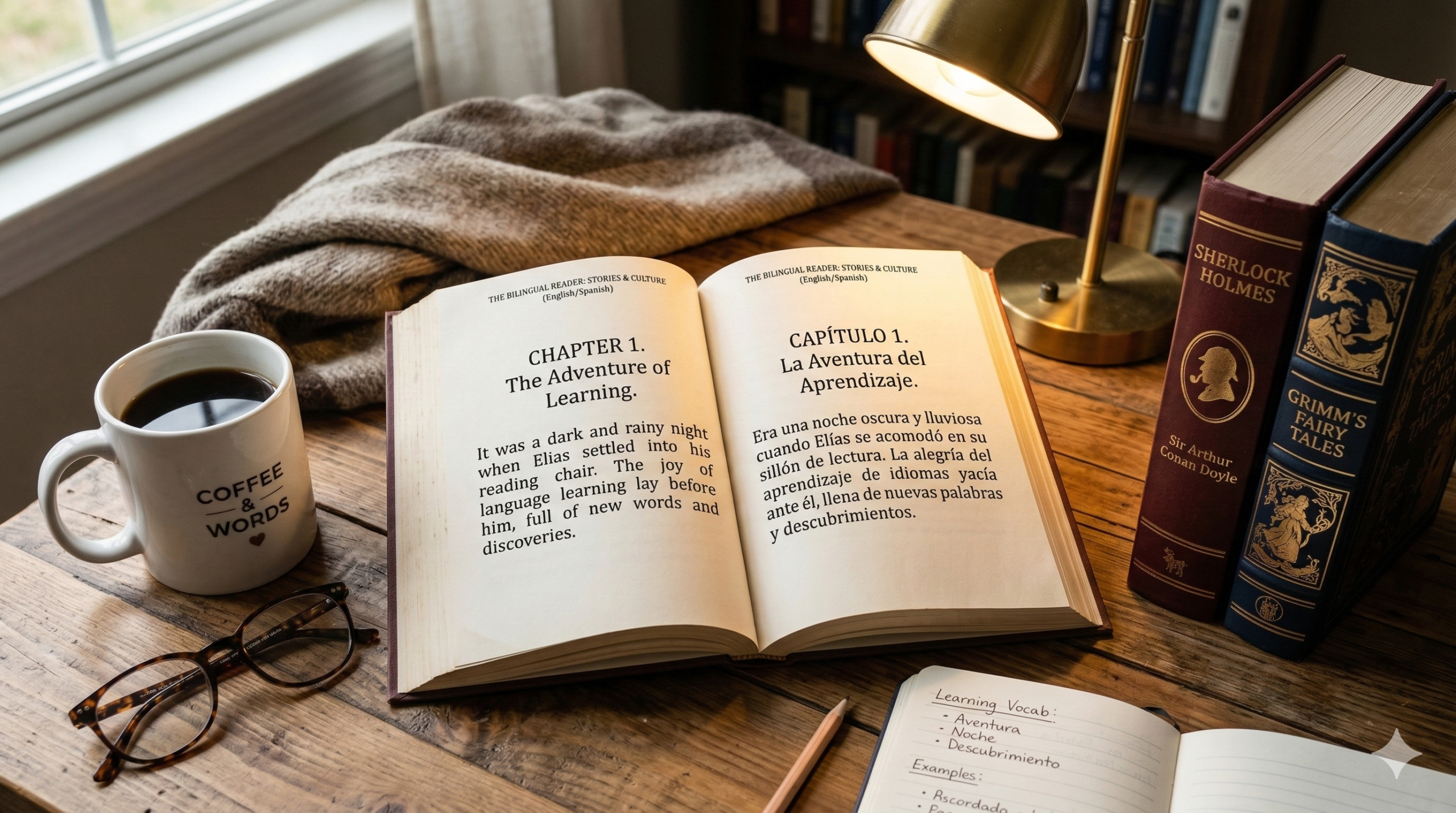
One of the most effective and enjoyable methods is reading bilingual books. These books present the same story in two languages—usually English and Spanish—side by side. This format allows learners to understand meaning instantly without constantly checking a dictionary.
In this guide, you’ll discover the best bilingual books for Spanish learners in 2026, why they work so well, and how to choose the right ones for your learning level.
Why Bilingual Books Are So Effective for Spanish Learners
Bilingual reading is one of the most natural ways to learn a language because it mimics how the brain learns context and meaning.
Instead of translating every word, you can simply glance at the parallel translation and continue reading. Over time, your brain begins recognizing patterns, phrases, and vocabulary automatically.
Here are some key benefits:
1. Learn vocabulary in context
Words become easier to remember when they appear inside real sentences and stories.
2. Improve reading comprehension faster
The side-by-side translation removes frustration and keeps the reading flow smooth.
3. Build natural language intuition
You begin to notice how Spanish sentences are structured compared to English.
4. Stay motivated through storytelling
Unlike textbooks, stories keep readers curious and engaged.
For many learners, bilingual books become the bridge between beginner lessons and full Spanish novels.
What Makes a Good Bilingual Book?
Not all bilingual books are created equal. When choosing one, look for these features:
Side-by-side formatting
The English and Spanish text should appear on the same page or directly next to each other.
Clear, natural translations
Good translations keep the original meaning while sounding natural in both languages.
Classic or engaging stories
Interesting stories make it easier to keep reading consistently.
Readable layout
Clean formatting and comfortable spacing help prevent fatigue while reading.
Many language learners prefer classic literature because the stories are well known and widely translated.
3 Best Bilingual Books for Spanish Learners
Here are some excellent books that work well for beginners and intermediate learners.
1. The Adventures of Sherlock Holmes (English–Spanish Edition)
The famous detective stories by Arthur Conan Doyle are perfect for bilingual reading.
Why it’s great for learners:
- Short mystery stories make reading manageable
- Clear dialogue helps improve conversational vocabulary
- Familiar plots make comprehension easier
Since each story is relatively short, learners can finish one mystery at a time and feel a sense of progress.
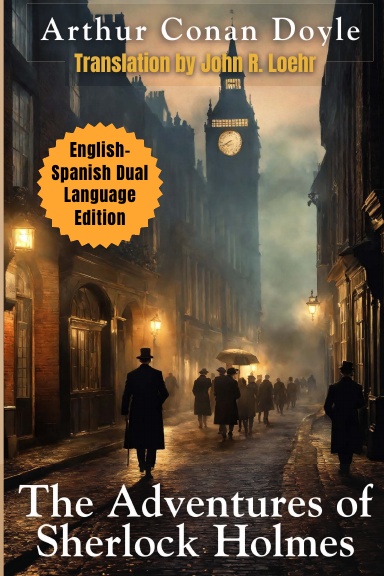
The Adventures of Sherlock Holmes: English – Spanish Dual Language Edition
2. Grimm’s Fairy Tales (English–Spanish Edition)
Classic fairy tales collected by Brothers Grimm are widely used for language learning.
Why learners love them:
- Simple narrative structure
- Repetitive phrases that reinforce vocabulary
- Well-known stories like Cinderella and Hansel and Gretel
These tales are especially useful for beginners because the language is often simpler than modern novels.
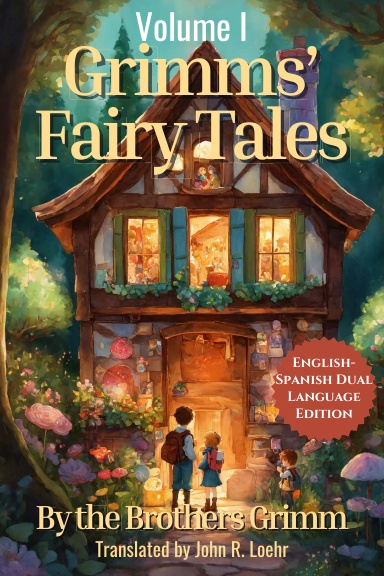
Grimms’ Fairy Tales: English – Spanish Dual Language Edition: Volume I
3. Alice’s Adventures in Wonderland (English–Spanish Edition)
The imaginative world created by Lewis Carroll offers a fun and unusual reading experience.
Why learners enjoy it:
- Playful language and creative dialogue
- Short chapters that are easy to read in small sessions
- A famous story that many readers already know
Because the plot is so recognizable, readers can focus more on understanding the language.
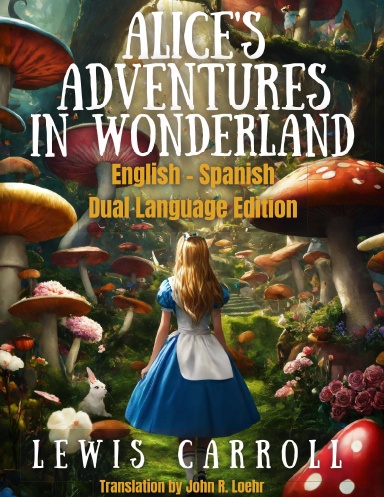
Alice’s Adventures in Wonderland: English – Spanish Dual Language Edition
Tips for Reading Bilingual Books Effectively for Spanish Learners
To get the most out of bilingual reading, try these simple strategies:
Read the Spanish first
Attempt to understand the Spanish paragraph before looking at the English translation.
Avoid translating every word
Focus on the overall meaning instead of individual vocabulary.
Read regularly
Even 10–15 minutes per day builds strong language habits.
Re-read your favorite chapters
Repetition helps reinforce vocabulary and grammar patterns.
Over time, you may find yourself needing the English translation less and less.
Where to Find Quality Bilingual Books
Many bilingual editions are available online, but formatting quality varies widely.
The best bilingual reading experiences include:
- professionally translated text
- clean side-by-side formatting
- carefully selected classic stories
Platforms dedicated to bilingual literature often provide a curated library of these books, making it easier for learners to find engaging material.
Learning Spanish doesn’t have to be limited to grammar drills and vocabulary flashcards. Reading great stories in two languages makes the process far more enjoyable—and often far more effective to a Spanish Learner.
Whether you prefer mysteries, fairy tales, or adventure novels, bilingual books allow you to improve your Spanish while enjoying timeless literature.
The key is simple: read consistently, stay curious, and enjoy the journey of learning through stories.
 Side-by-Side Classics